



















Practice Guide for Knowledge Base Construction and Management

This article will elaborate on the practical guidelines for building and managing knowledge bases in detail, Discuss in four aspects. Firstly, let's start with the concept and importance of knowledge base, Then explore the key steps and methods for building a knowledge base, Continuing to analyze the challenges and solutions of knowledge base management, Afterwards, introduce the benefits and future trends of knowledge base applications.
1, The concept and importance of knowledge base
Knowledge base refers to the internal storage within an organization, A systematic platform for managing and sharing knowledge. It not only includes documents, Data and Information, It also covers experience, Skills and wisdom. The construction of a knowledge base is crucial for an organization's innovation capability and competitiveness. Through the knowledge base, Organizations are able to integrate fragmented knowledge, Form a systematic knowledge system, Provide support and reference for decision-making.

The construction of a knowledge base requires clear goals and scope, Establish a team of knowledge base administrators, Establish knowledge classification and standardization standards, Choose the appropriate oneKnowledge Management System, Establish a mechanism for knowledge sharing and communication. meanwhile, Continuously updating and maintaining the content of the knowledge base, Strengthen user training and awareness dissemination, Ensure that the knowledge base continues to function effectively.
The importance of a knowledge base lies in reducing repetitive labor, Avoiding knowledge loss, improve work efficiency, Promote team collaboration, Improving decision quality and other aspects. By building and managing a knowledge base, Organizations can maximize the value of knowledge, Obtain sustained competitive advantage.
2, Key steps and methods for building a knowledge base
Construction of Knowledge BaseIncluding requirement analysis, Design Planning, Multiple steps including system construction and operation management. Firstly, a requirements analysis must be conducted, Understand user needs and knowledge resources, Determine the functions and characteristics of the knowledge base. Then proceed with design planning, Develop the structure and layout of the knowledge base, Determine content organization and retrieval methods.
During the system construction phase, Need to choose the appropriate oneKnowledge Management System, Perform system integration and data migration, Establish data and permission control mechanisms. Afterwards, in the operational management phase, To update and maintain the knowledge base, Monitoring system operation status, Evaluate the effectiveness and value of the knowledge base.
The methods for building a knowledge base include two approaches: top-down and bottom-up. Top down refers to the leadership determining knowledge management strategies and goals, Thus affectingConstruction of Knowledge BaseAnd application; Bottom up refers to the active participation of grassroots employees in knowledge sharing and collaboration, Promote the construction and development of knowledge base.
3, Challenges and Solutions of Knowledge Base Management
The challenges faced by knowledge base management include low knowledge quality, Lack of timely knowledge updates, Poor knowledge flow, Issues such as unclear knowledge value. To address these challenges, The organization needs to strengthenknowledge management Consciousness and cultural construction, Establish a comprehensive systemknowledge management Process and mechanism, Strengthen research and innovation in knowledge management technology.
In knowledge base management, Attention should also be paid to the classification and standardization of knowledge, Establish knowledge promotion and application demonstration, Strengthen knowledge learning and training, Establish knowledge evaluation and incentive mechanisms. meanwhile, Pay attention to knowledge sharing and inheritance, Encourage employees to share their experiences and achievements, Improve the utilization and value of the knowledge base.
By continuously improving knowledge base management, Organizations can enhance their ability to integrate and apply knowledge, Optimize decision-making processes and outcomes, Promote innovation and development of the organization.
4, The benefits and future trends of knowledge base applications
The application of knowledge base can bring various benefits, Including improving work efficiency, Reduce the risk of errors, Promote team collaboration, Improve employee satisfaction, Improving customer service quality and other aspects. Through the application of knowledge base, Organizations can better utilize and disseminate knowledge resources, Realize knowledge sharing and win-win situation.
future, With the continuous advancement of information technology and the expansion of its application scope, The knowledge base will develop more functions and forms, As a system, Virtual Reality Technology, Big data analysis, etc. The knowledge base will also penetrate and be applied to a wider range of fields, Provide more reliable and convenient knowledge support for innovation and development in various fields.
The Practice Guide for Building and Managing Knowledge Bases aims to assist organizations in building and managing knowledge bases, Enhance the value and utilization efficiency of knowledge resources. By understanding the concept and importance of knowledge base, Key steps and methods of construction, Challenges and Solutions in Management, A comprehensive exposition of the benefits and future trends of the application, I believe readers can better understand and apply the principles and techniques of knowledge base construction, Realize the long-term development and competitive advantage of the organization.
About Us
360FangcloudIt is a leading enterprise collaboration and knowledge management platform in China. Our product has massive file storage, Online Editing, Multi format preview, Full text search, File comments, Security control and other functions, Can help enterprises easily establish a knowledge base, Improvement of file management and collaboration efficiency. at present, 360FangcloudAlready served over 56 Wanjia Enterprise Users, This includes Zhejiang University, Country Garden, Changan Automobile, Geely Group, Jinko Energy, Large clients such as Jinyuan Group.
-
Classification of this article: common problem
-
Number of views: 3456 Second visit
-
Release date: 2024-06-11 10: 00: 14
-
This article link: https: //www. fangcloud. com/cms/cjwt/19457. html
-
 一 3000 人的头部律所, 想给自己留下点 "带不走" 的东西
-
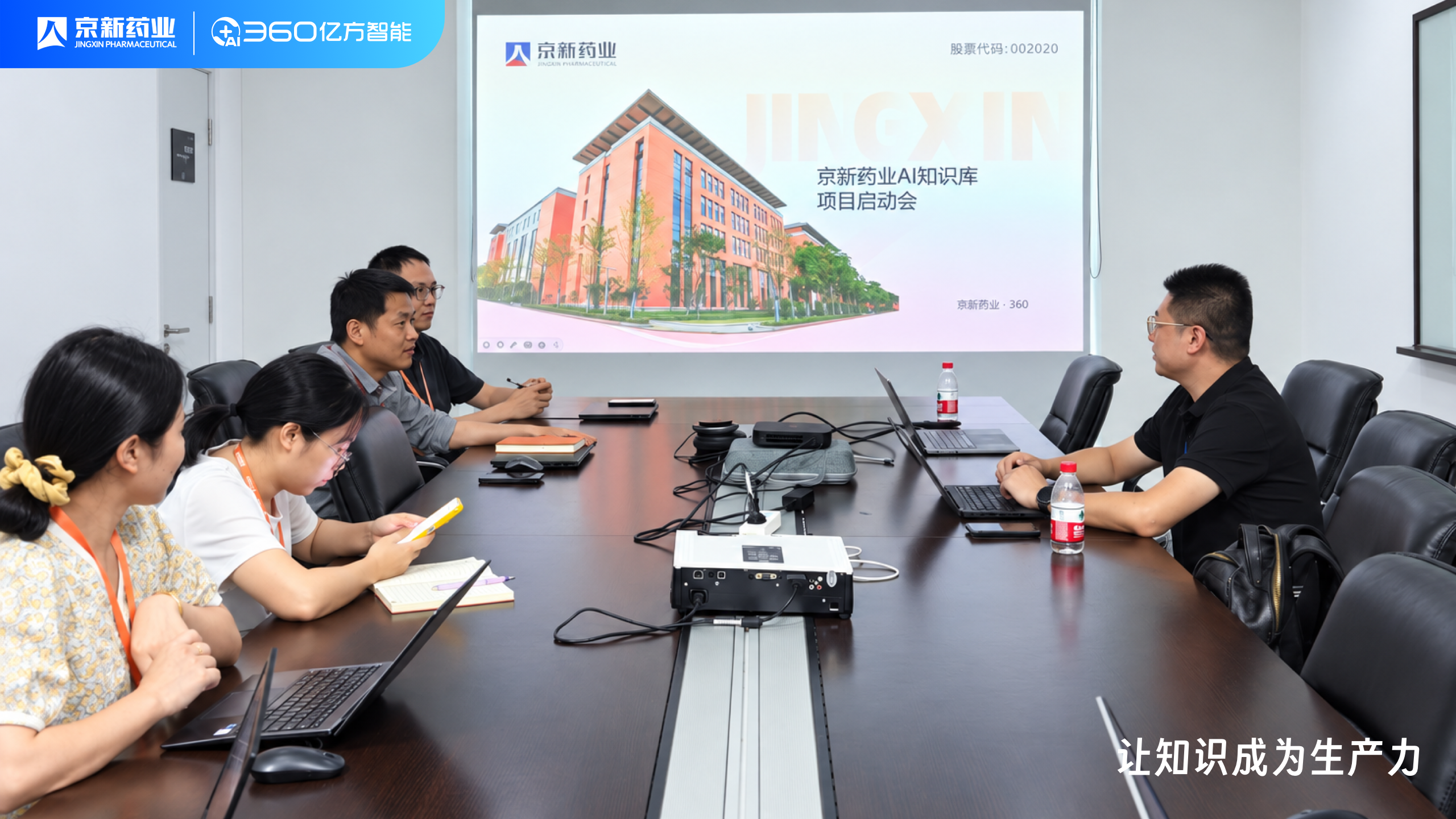 京新药业hand in hand 360 亿方智能, 共建 AI 知识库, 让医药知识常用常「新」
-
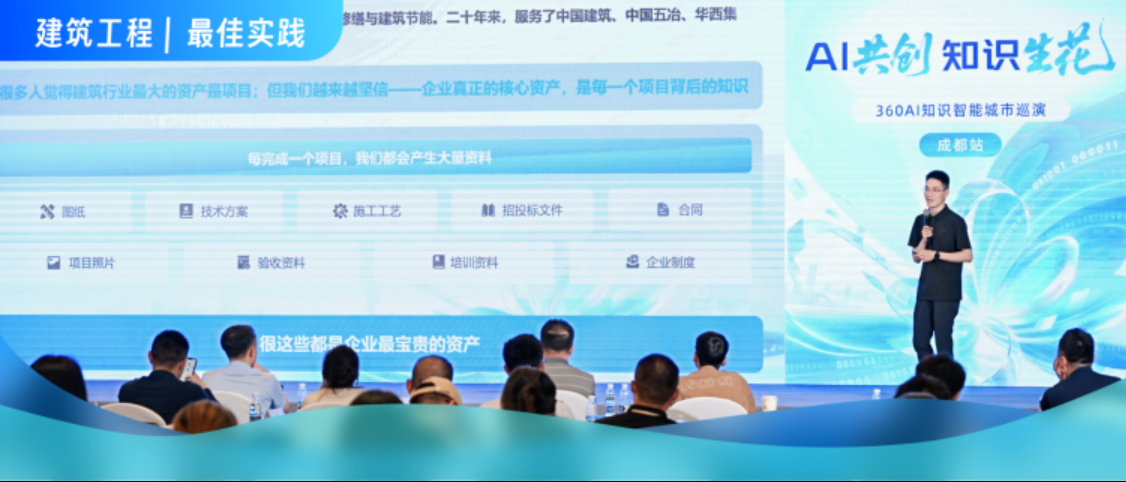 7 年管好 900GB 资料, 成都格润建科让 AI 用上 20 年经验
-
 从 U 盘到enterprise空间, 湖南信佳百货如何留住 30 年零售经验
您可能感兴趣的文章
- 文档解析和 OCR 如何影响知识检索? 扫描件与复杂文件评估
- enterprise AI 知识问答如何保障权限? 知识范围与答案核验
- AI 知识库和传统知识库有什么区别? 能力与建设路径对比
- 移动办公如何安全访问enterprise文件? 设备, 身和文件控制
- enterprise文件误删怎么恢复? 回收站, 版本和备策略
- enterprise敏感文件如何分级? 密级分类与访问规则设计
- 文件迁移时如何保留原有权限? 权限映射与核对方法
- NAS 文件如何迁移到enterprise云盘? 目录盘点与分批迁移方案
- 共享盘迁移到enterprise网盘怎么做? 步骤, 权限和校验方法
- 让每一次反馈都有回应, 某头部咨询服务机构向 360 Fangcloud发来感谢信
Popular recommendations


 enterprise云盘
 AI 知识库


 浙公网安备 33011002015048 号
 Online service
 Phone consultation